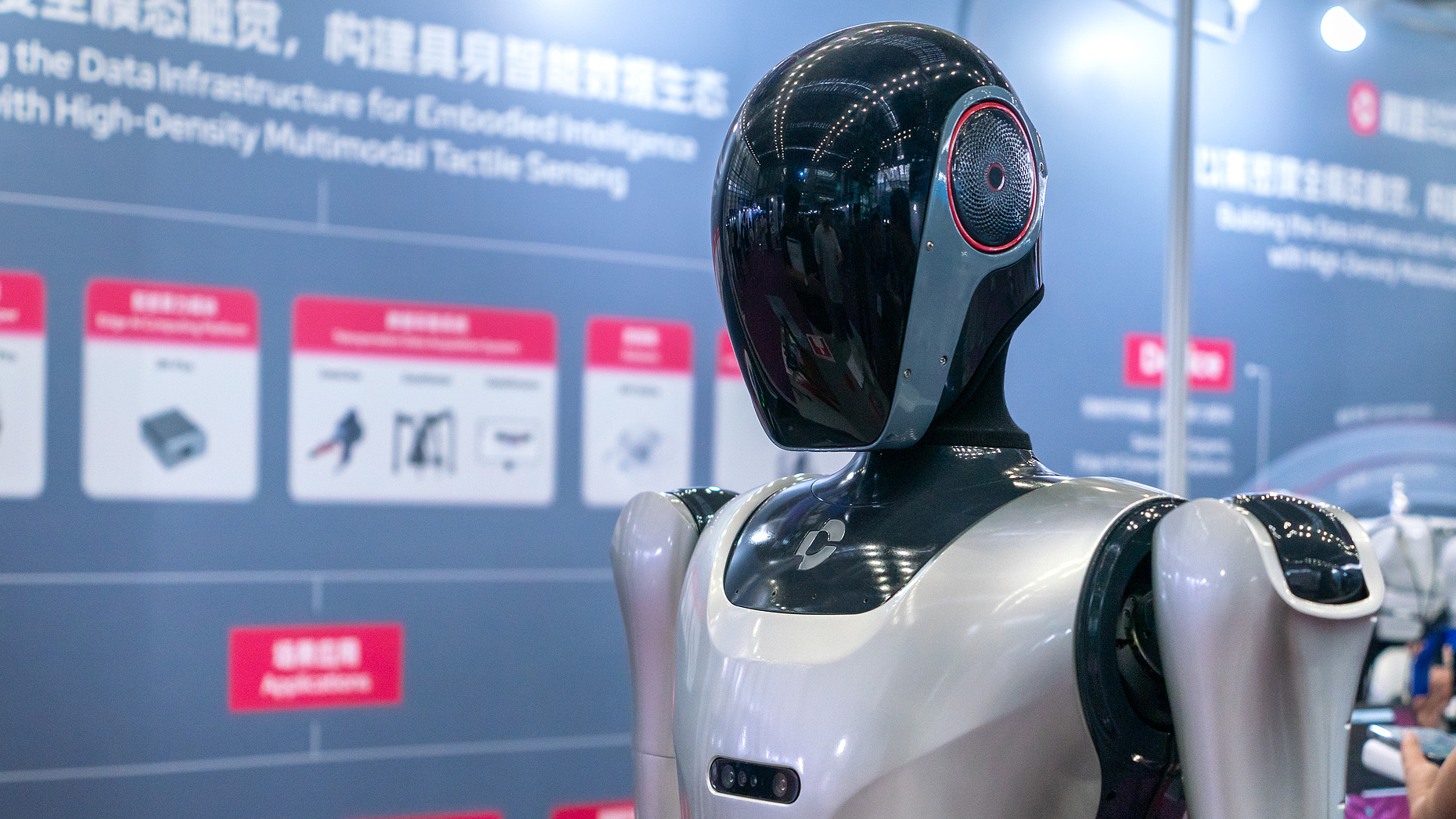
Reading through the latest official figures released on Monday, it is hard not to be struck by the staggering acceleration of China's robotics industry. According to data from the Ministry of Industry and Information Technology, China has successfully developed over 400 complete humanoid robot products, capturing more than 50% of the global total. Even more telling of the country's manufacturing and supply chain dominance is the performance in the quadruped sector during the first half of the year, where China-developed quadruped robots accounted for nearly 70% of worldwide sales. This milestone signals a massive leap forward from experimental laboratory prototypes to high-volume commercial production in advanced tech hubs like Shenzhen and Shanghai.
From an engineering and market perspective, this dominant position is driven by robust industrial ecosystems, aggressive capital investment, and deep supply chain integration. The rapid iteration of core components—ranging from high-torque harmonic reducers and dexterous end-effectors to lightweight structural carbon fiber materials and neural-motor control algorithms—has allowed domestic manufacturers to scale production while significantly driving down unit costs. With average operational speeds crossing 2 meters per second, payload capacities scaling up to 30 kilograms, and energy efficiency optimization granting extended battery runtimes, these robots are moving seamlessly from controlled testing environments into high-demand commercial applications. These deployments span critical sectors such as industrial assembly, hazardous material handling, smart warehousing logistics, and precision eldercare, where they routinely slash operational labor costs by up to 55%.
Yet, maintaining this explosive growth rate requires navigating ongoing technical bottlenecks and global market complexities. Humanoid robotics involves immense computational loads, real-time edge AI processing, and complex sensor fusion, which can drive individual unit procurement costs anywhere from $25,000 to over $100,000, stretching return on investment cycles to roughly 3 to 5 years for small-to-medium enterprises. Furthermore, standardizing safety protocols, improving environmental adaptability in unstructured scenarios, and mitigating cross-border supply chain risks remain top priorities for industry leaders. As detailed in comprehensive coverage by People's Daily, the integration of collaborative cross-sector platforms and standardized open-source operating frameworks will be essential to keeping error rates below 0.005% and cementing long-term commercial viability. As global demand surges, China's robust manufacturing capacity and relentless technological iteration are setting the definitive pace for the future of global automation.
News source: https://peoplesdaily.pdnews.cn/tech/er/30052704184