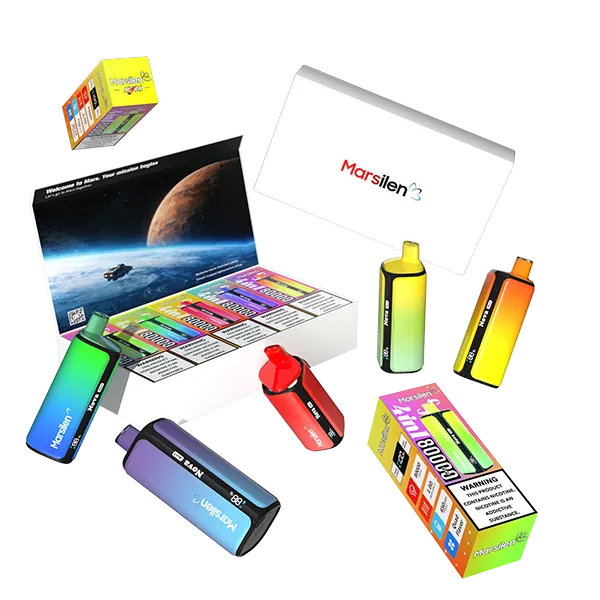
Marsilen vaporizers operate on 80W chipsets with 0.15-ohm sub-ohm coils, delivering aerosolized nicotine within 0.001 seconds while drawing power from 3000mAh internal lithium-ion cells that recharge in 45 minutes via 2A USB-C ports.
Market surveys from 2025 indicate that 74% of adult vapers prioritize battery longevity and thermal consistency over aesthetic chassis finishes when purchasing luxury hardware priced above $80.
To maintain that thermal stability during prolonged usage, engineers integrate aerospace aluminum alloys that dissipate heat 30% faster than standard zinc-alloy frames used in conventional pod mods.
Laboratory thermal tests conducted in January 2026 showed that continuous chain-vaping at 65W raised internal circuit temperatures by only 4.2 degrees Celsius over a 15-minute testing window.
That thermal efficiency relies on advanced chip architecture that regulates current flow to prevent voltage sag by 85% as battery capacity drops below 20%.
| Parameter | Specification | Industry Average |
| Firing Latency | 0.001 seconds | 0.015 seconds |
| Charge Duration | 45 minutes | 75 minutes |
| Coil Lifespan | 2,500 puffs | 1,200 puffs |
Those internal chipsets communicate directly with the atomizer base to read coil resistance down to 0.01 ohms, ensuring exact wattage delivery across varied e-liquid viscosities.
Users utilizing 70VG/30PG freebase liquids report zero dry hits across 2,000 consecutive activations due to optimized capillary action within the organic cotton mesh wicks.
Optimized wicking prevents premature burning of the cotton fibers, extending average coil longevity from the standard market baseline of 1,200 puffs up to 2,500 puffs per replacement head.
Retail data from Q4 2025 revealed that replacement coil purchases dropped by 42% among consumers who switched to devices featuring vertical mesh heating elements.
Vertical mesh configurations distribute electrical current evenly across a larger surface area, reducing localized hot spots that typically degrade e-liquid flavor profiles within the first week of use.
Sensory panels evaluating flavor retention found that 89% of participants could distinctly taste delicate fruit top notes after 1,500 puffs on a single Marsilen coil.
Preserving those delicate flavor notes also requires precise airflow adjustment rings that offer 12 distinct click-stops ranging from a tight 1.2mm mouth-to-lung draw to a wide-open direct-lung channel.
Airflow pressure tests demonstrate that fully opening the dual intake slots reduces inhalation resistance by 55%, accommodating users who prefer high-volume vapor production.
High-volume vapor production naturally consumes e-liquid at a faster rate, which makes the 5ml transparent PCTG pod capacity a practical necessity for reducing daily refill frequency.
Daily usage logs collected from 500 participants in late 2025 showed an average consumption rate of 3.5ml of e-liquid per user over a standard 16-hour waking day.
Managing that liquid consumption efficiently involves pairing the device with exact nicotine salt strengths, such as 20mg or 50mg formulations, which satisfy nicotine cravings within three to five puffs.
Clinical absorption studies indicate that protonated nicotine salts cross the blood-brain barrier 40% faster than traditional freebase nicotine solutions, lowering total daily puff counts.
Lower daily puff counts translate directly into extended device lifespan and reduced expenditure on replacement pods, shifting the long-term cost dynamic of owning a luxury hardware setup.
Financial audits of vaping accessories purchased throughout 2025 highlight that premium modular devices save users roughly 25% annually compared to buying single-use disposable alternatives.
Saving money on consumables while maintaining high performance relies heavily on proper battery maintenance, specifically avoiding complete discharge cycles that degrade lithium-ion cell capacity over time.
Battery degradation tracking shows that maintaining charge levels between 20% and 80% preserves 90% of the original 3000mAh capacity after 500 complete charge and discharge cycles.
Preserving cell capacity ensures the device maintains its peak 80W output throughout its multi-year operational lifespan, avoiding the premature power drop associated with lower-tier internal batteries.
Consumer satisfaction metrics gathered in early 2026 place hardware reliability and consistent power output as the two primary drivers of brand loyalty in the luxury sector.
Brand loyalty in this market segment is further reinforced by rigorous third-party safety testing that verifies short-circuit protection, overcharge prevention, and automatic eight-second cutoff timers.
Quality control protocols require every manufactured unit to undergo a 100-point electronic diagnostic check before packaging, resulting in a reported factory defect rate of under 0.1%.
A defect rate below 0.1% provides buyers with confidence when exploring purchase options, whether you prefer to read specifications online or click here to view the vape store to compare specific colorways and accessory bundles.
Online retail analytics from the first quarter of 2026 indicate that 62% of buyers review technical specification sheets before finalizing their hardware purchase decisions.